Right now it is easy to see how dependent we are on modern technology to keep the world fed. Larger, productive farms replacing subsistence farming around the world. These practices for better or for worse keep mouths fed and bellies full.
But step back for a moment, just as the world couldn't have succeeded in growing the population to such enormous levels without improvements in farming methods, we wouldn't be here if it were not for our ancestors.
Many crops were domesticate through thousands of years of selective breeding and only exist today due to human intervention. Take the brassica family:
About 2000 years ago
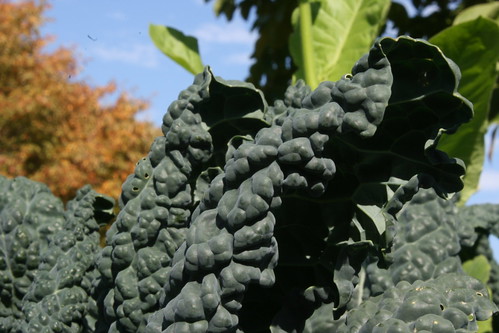
Brassica oleracea was first domesticated and grown in Mediterranean gardens. Growers kept seeds of the larger leafed plants and eventurally it became to what we know as kale today. Following the developement of kale growers selected ever and ever more tight bunches of leaves at the top of the plant that in turn led to the formation of heads of cabbage over successive generations of selection.
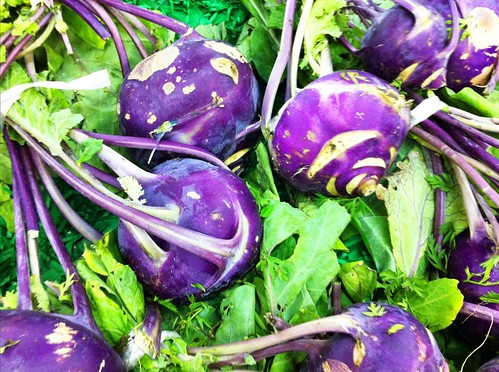
About the same time cabbage came into existance successive growing of large rooted kale plants led to kohlrabi.
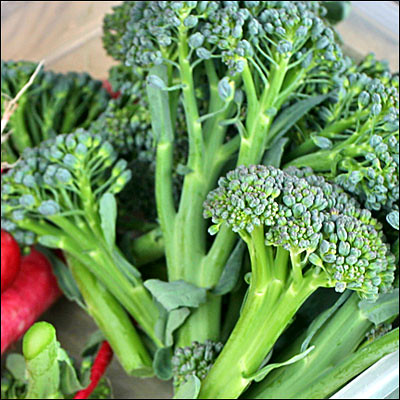
Later with a penchant for eating the flowering buds of the plant growers later developed cauliflower and broccoli.
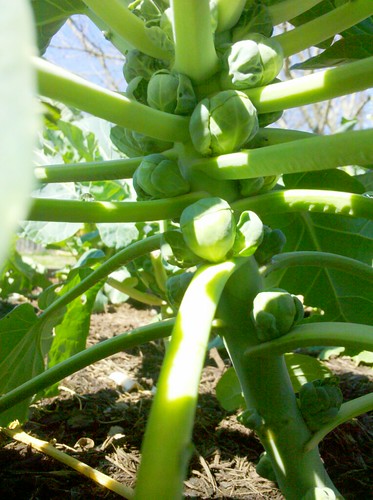
Still later after that in Belgium the selection smaller buds on cabbage led to the cultivation of brussel sprouts.
So between 2000 years ago and 300 years ago 6 distinct vegetables were painstakingly developed by our ancestors.
This is but one plant that developed into several food crops, 2000 years in the making. The full girth of this worlds population weighed heavily on the shoulders of our ancestors, without them we would probably not have variety cultivars to grow in many parts of the world and we would not have the variety to as easily make a balanced diet.