

Showing posts with label pollinators. Show all posts
Showing posts with label pollinators. Show all posts
Sunday, December 25, 2011
Saturday, February 26, 2011
Improving honeybee populations?
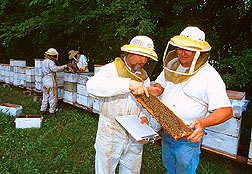
I came accross this article and still haven't been able to find the USDA survey release associated with it.
The number of honey-producing bee
colonies in the U.S. rose 7.4 percent last year
and honey production was up 20 percent,
the Department of Agriculture said.
About 2.684 million colonies were reported
by beekeepers with five or more hives in
2010, the USDA said Friday in a report.
Honey production rose to 65.5 pounds per
colony, up 12 percent from 2009, with
overall output at 176 million pounds. The
average price at the private and retail levels
was $1.603 a pound, an all-time high and up
8.8 percent from the previous record last
year, the USDA said.
If this is the full story this is very good news. I would like to find the full survey to see if it mentions the size of colonies. Beekeepers could be maintaining more hives that are smaller colonies by splitting colonies into two hives as population rises in the summer. Also honey prices have dramatically increased in the last few years, so it is possible that more beekeepers are focusing more on honey production than just making their money on pollination. Bee colonies were still being flown in from Australia last year for pollination, which tells me along with continued high pollination rates that farmers are still struggling to get bees for pollination.
Hopefully we are turning the corner or at least things are getting less worse. But with many surveys like this the devil is in the details. While colonies may be improving and honey production is ramping up, pollination could still be in peril. I would like to get the full story.


Sunday, February 20, 2011
Commercial Pollination going forward.


As agriculture became more specialized and more reliant on economies of scale to production costs low, bees were moved around the country to pollinate one crop after another as they bloomed. This is done on a large scale with bees only having one type of blossom to forage for weeks at a time. Until the last hundred years bees were never used like this, transported on semi-trucks to one field or orchard after another. It boosts crop yields but bees never evolved to be dependent upon a monoculture, they aren't designed for the industrial agricultural paradigm.
We shouldn't be surprised of the large bee losses lately inclusively known as CCD or colony collapse disorder. Beekeepers that don't follow the blooming of crops around the country aren't having the same problems. Comparatively the losses of small natural and organic beekeepers are minimal. As an analogy imagine that you are a traveling salesman going to a new city each month but the catch is that you can only eat one type of food breakfast, lunch and dinner. Bacon one month, pepperoni pizza the next, plain rice the next and dry salads the next. After a season like this you would probably be malnourished, even though if you mixed it all you would be fine. Same things with the bees monoculture and traveling are making their immune systems diminished and more susceptible to disease.
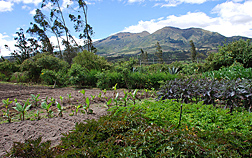
Some alternatives are:
Set aside an easement on a farm for native and commercial pollinators to forage. This allows more diversity in pollinators for better pollination. Some pollinators do better in cool or wet weather than honeybees allow even better crop yield. More forage for bees will allow pollinators to be kept in the same area year round.
Vary the crops being grown, much like crop rotation diversity of crops will cut down on one single pest that thrives in an environment of their favorite plant to vex. Bees can fly up to 3 miles to forage so large farms can grow several tracts of crops giving some diversity to pollinators.
Research. More research needs to be done in finding better farming techniques that look at farming as a series of systems that all work together to be more self-sufficient. Growing crops to help fertilize others, growing crops to help pollinate others and growing crops to help conserve water in the field.
The problem with this type of research can be summed up in one phrase "follow the money". There will never be the economic incentive to do in-depth research into dynamic farming as producing the next block buster billion dollar GMO crop or pesticide. The financial incentive is just not their in research and more and more funding at the university level is coming from the big chemical and modified crop companies. Companies help fund research that they can use while other funding gets cut due to budget constraints.
Eventually a few enterprising individuals will show success and profit with a fully integrated permaculture method of farming. This will be about the same time oil becomes so expensive that conventional agriculture will be looking to alternatives to petroleum based fertilizers and long distances transport.
Friday, February 18, 2011
Honey bee collateral damage from Clothianidin "poncho" acceptable to EPA

A few months ago a memo leaked from the EPA (not a Wikileak counter to some claims) exposes clothianidin as toxic to honey bees. Clothianidin produced by Bayer crop sciences as "poncho" is in the nicotine family of pesticides. Poncho has been banned in several European countries so far, Germany, France, Italy and Slovenia. It is used on corn, canola, beets, wheat, sunflowers and Soy.
Neonicotinoid family pesticides work by being taken up into the plant and making it poisonous to 'pests" and other insects that happen to be there. Poncho has been found in the pollen and nectar of plants.
From the label recomendations :
This compound is toxic to birds and mammals. Treated clothianidin seeds exposed on soilsurface may be hazardous to birds and mammals. Cover or collect clothianidin seeds spilledduring loading. This compound is toxic to honey bees. The persistence of residues and potential residual toxicityof Clothianidin in nectar and pollen suggests the possibility of chronic toxic risk to honey beelarvae and the eventual instability of the hiveAnd from a PhD entomologist
According to James Frazier, PhD., professor of entomology at Penn State’s College of Agricultural Sciences, "Among the neonicotinoids, clothianidin is among those most toxic for honey bees; and this combined with its systemic movement in plants has produced a troubling mix of scientific results pointing to its potential risk for honey bees through current agricultural practices. Our own research indicates that systemic pesticides occur in pollen and nectar in much greater quantities than has been previously thought, and that interactions among pesticides occurs often and should be of wide concern." Dr. Frazier said that the most prudent course of action would be to take the pesticide off the market while the flawed study is being redone.The EPA knows all the evidence and the toxicity but it still stays on the market. One has to wonder who is the EPA working for. No wonder bees are showing much higher losses in big agricultural areas. Eventually the fall of bee populations will catch up to the point that farmers won't worry so much about increasing yield with chemical pesticides if they don't have pollinators for their crops.
The full EPA memo is here.
Wednesday, February 16, 2011
Green Cities: time to walk the talk.
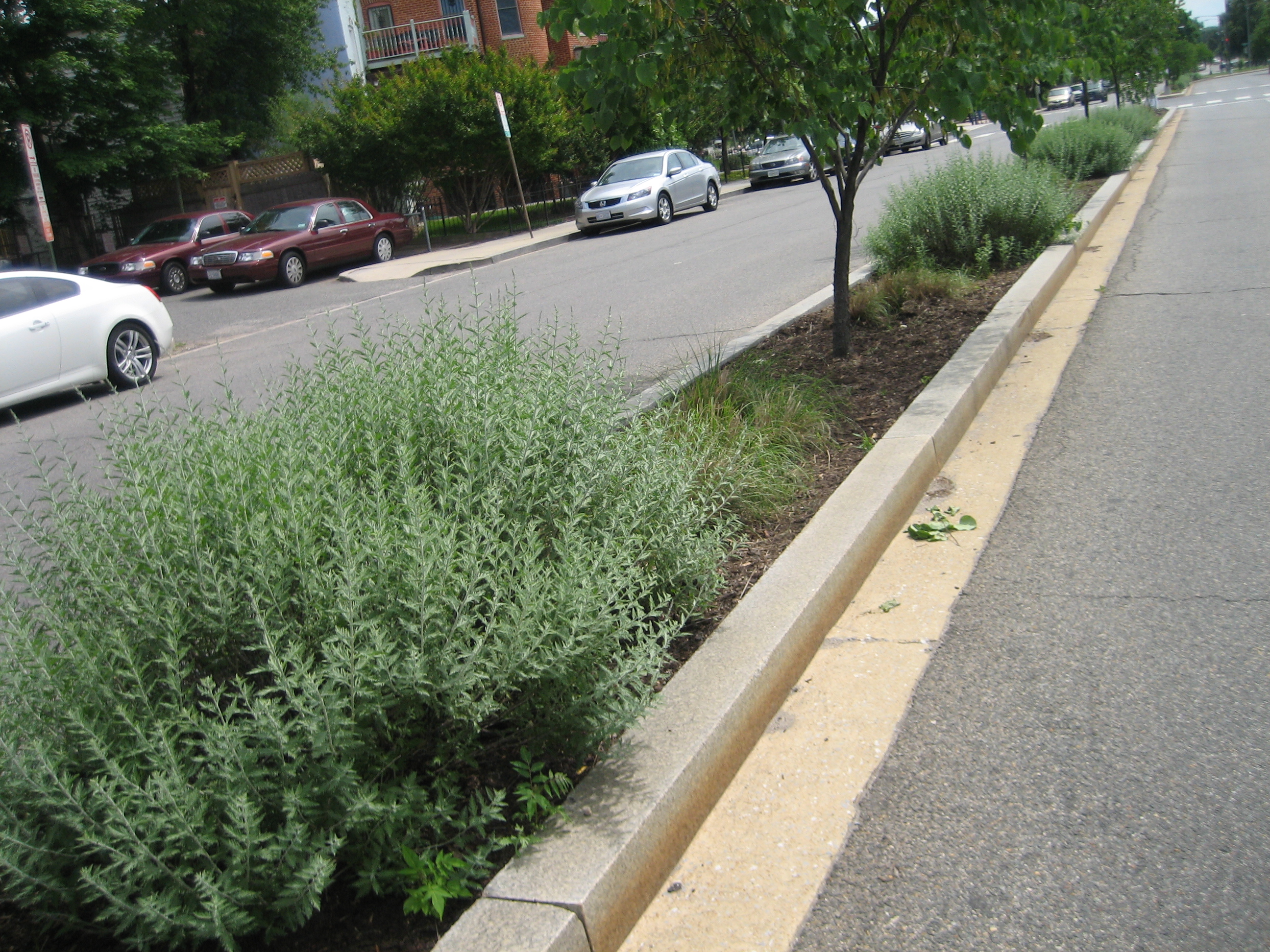
Being that I live near a city that is very concerned about its carbon footprint, (so much so streets get shut down to cars and beach bonfires are banned) I am rather surprised how little is done on their own part to improve the environment. There are literally square miles of parks, parking strips and medians that lie fallow or are planted with ornamental plants. My hat is off to the many hundreds of intrepid gardeners that convert parking strips and roundabouts for gardens and plant diversity.
If cities really wanted to make changes to become greener, the low hanging fruit that doesn't impose laws on what people can or can't do is to utilize city land for plant diversity, carbon sequestration and food production.

The average American meal travels over 1500 miles to reach their plate. The transportation costs are offset by doing agriculture on such a large scale it produces food cheaply.........as long as oil and natural gas prices stay low. What happens at $150 a barrel oil? Food becomes more expensive as it costs more to fertilize and transport.
I understand it is not feasible for a city to produce all of its own food but, what is the logic behind planting municipal land with ornamental and typically with little diversity. Just phasing in some hardy fruit and nut trees and shrubs would provide some food for those who want it at no extra cost to taxpayers. There is also more of a sense of ownership for people. If you have a fruit tree in front of your house that you eat from you will be more likely to look after it than a tree that you don't get anything from.
This could work to augment efforts to help the homeless the hungry and city supported food banks. Schools could put in a few trees to show that food doesn't come from a store but a farm or garden. Eating publicly grown produce is not for everyone of course but just that it is there millions of calories will get eaten by somebody and that is one less trip food has to make.

Many cities are already doing this, there has been a groundswell of interest in urban gardening, pea patches and converting your front yard into a food source. The emphasis now should be to stay on city governments to make sure they are good stewards of the earth and our tax dollars at the same time.
Friday, February 11, 2011
Gardening in small spaces with high yield. Intensive gardens not intensive labor
Intensive gardening has been around for centuries. Maximizing your food production has always been a goal of farmers and home gardeners. Taking a holistic approach to your planting can give better yield and lower labor. Let the plants do the work for you when possible.

1 Plant to build the soil. Plant non-edible plants that build the soil in the off season to till in in the spring time to build the soil. Or you can intersperse nitrogen fixing flowers in your garden for added color. Most importantly you are building the soil and stealing space from the weeds.

2 Plant to minimize watering. Know your plants. Some plants that like partial shade will do well under your tomato trellis. This will both shade the soil which keeps down the evaporation, and this will compete with weeds. Plant vegetables with deep taproots like carrots to help pull up the moisture from deep and use shallow rooted crop for shade.

3 Plant to maximize pollination. Flowers and vegetables can be added to the garden to attract pollinators and your other plants will get the benefit. You can find some garden vegetables to plant for pollinators here and flowers to plant here

4 Plant to prevent pest and disease. There are many companion plants out there that help prevent pests. Garlic for example helps repel slugs and aphids. So instead of planting a nice row of garlic, plant throughout the garden as long as the other plants get along with garlic.

5 Plant to maximize calories. If you are growing a garden to feed yourself and reduce your grocery bill, look to calorie rich produce like potatoes, sweet potatoes and leeks.
There are so many combinations of plants, coming up with what works in your garden and climate can be a daunting task. You can find a good basic list of companion plants here on wikipedia.
Intensive gardening nirvana is when you design a garden that requires minimal work, the plants help water themselves, fertilize themselves, pollinate and prevent pests in the garden.

1 Plant to build the soil. Plant non-edible plants that build the soil in the off season to till in in the spring time to build the soil. Or you can intersperse nitrogen fixing flowers in your garden for added color. Most importantly you are building the soil and stealing space from the weeds.

2 Plant to minimize watering. Know your plants. Some plants that like partial shade will do well under your tomato trellis. This will both shade the soil which keeps down the evaporation, and this will compete with weeds. Plant vegetables with deep taproots like carrots to help pull up the moisture from deep and use shallow rooted crop for shade.

3 Plant to maximize pollination. Flowers and vegetables can be added to the garden to attract pollinators and your other plants will get the benefit. You can find some garden vegetables to plant for pollinators here and flowers to plant here

4 Plant to prevent pest and disease. There are many companion plants out there that help prevent pests. Garlic for example helps repel slugs and aphids. So instead of planting a nice row of garlic, plant throughout the garden as long as the other plants get along with garlic.
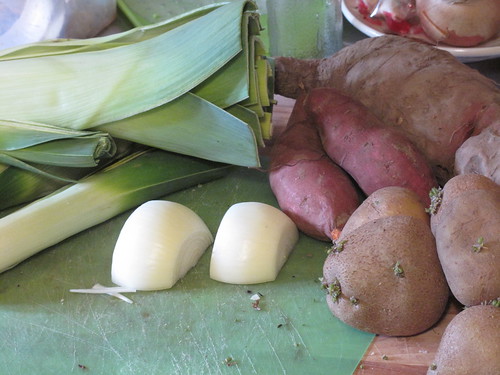
5 Plant to maximize calories. If you are growing a garden to feed yourself and reduce your grocery bill, look to calorie rich produce like potatoes, sweet potatoes and leeks.
There are so many combinations of plants, coming up with what works in your garden and climate can be a daunting task. You can find a good basic list of companion plants here on wikipedia.
Intensive gardening nirvana is when you design a garden that requires minimal work, the plants help water themselves, fertilize themselves, pollinate and prevent pests in the garden.
Sunday, February 6, 2011
Gardening for pollinators: Win-Win-Win
If you already have a kitchen garden, you diversify your crops and attract more pollinators. You may already have some of these plants in your garden, but may want to encourage and expand plantings. Bringing in more pollinators will help boost your production in the rest of your garden.
Some others to consider: Dill, fennel, carrot, mustard, artichoke, strawberry, lavender, apple, oregano, rosemary, raspberry, and blackberry.
The full list can be found here.
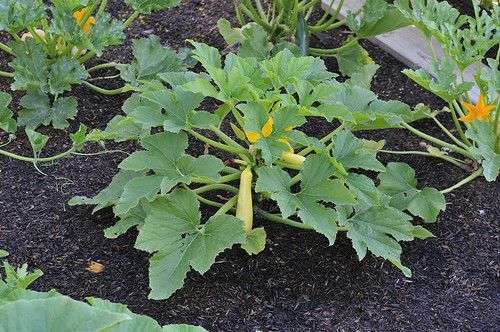 |
| Squash, gourds and pumpkins. These productive plants already give more than enough surplus that neighbors and co-workers start hiding from you when they are in season. There are limits to how much summer squash one can deal with. My best advice is pick early and pick often, even the squash blossoms which are edible. Hard shell squash keep very well, for months even, so a large harvest may not be so difficult to deal with. |
 |
| Sunflowers are large color spots. Even if you don't want to deal with harvesting the seeds you can save them as birdseed during the summer. Make sure they are planted with their size in mind, they grow quite tall. |
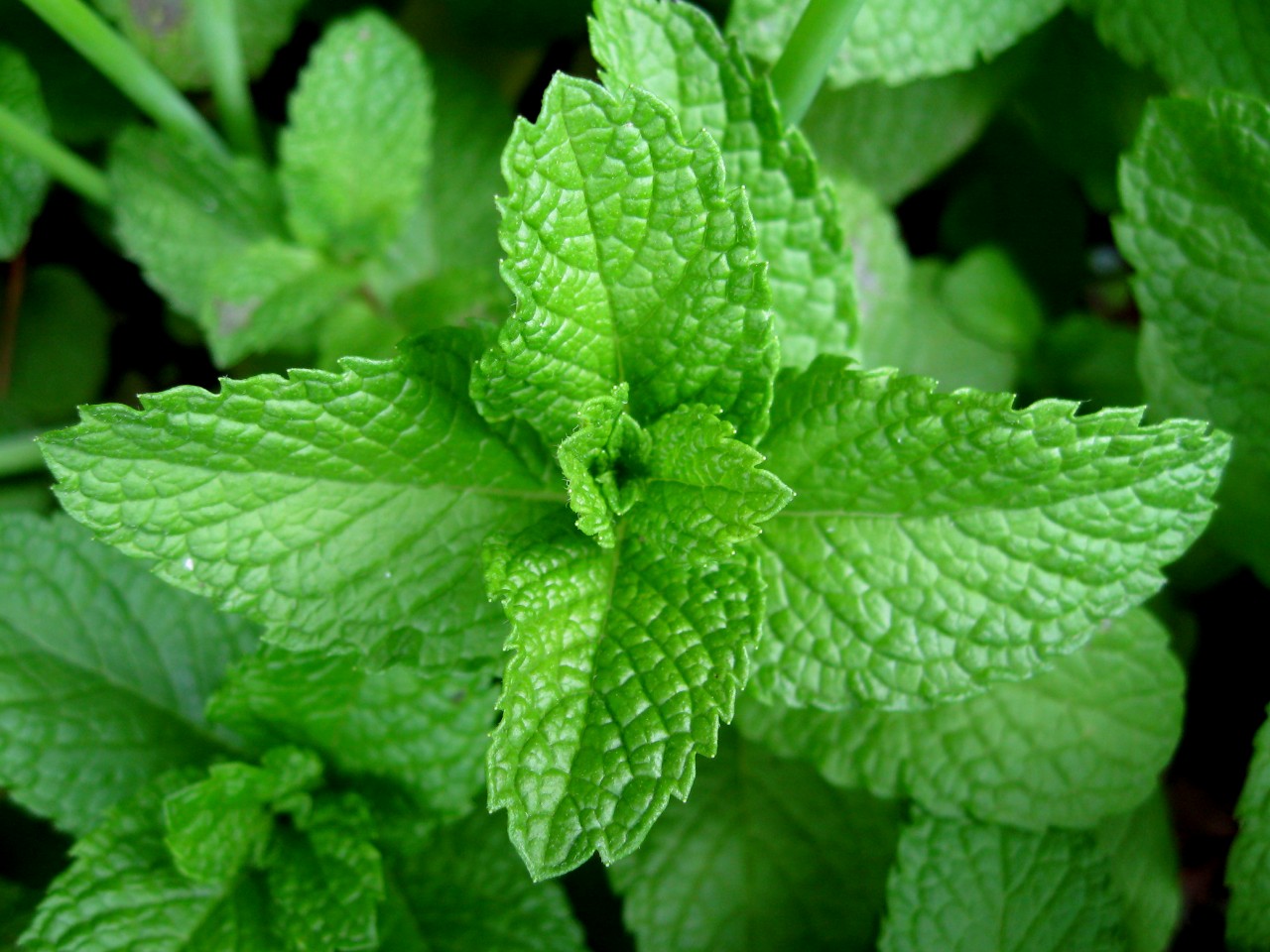 |
| Mint. Be careful with this one, mint has a way of taking over and just a few pieces of root can quickly spread over the garden if you till under each year. Mint can be dried, makes a refreshing tea and an attractive garnish. Mint can also deter some pests in the garden the oils act as a repellent. |
 |
| Blueberries, cranberries and huckleberries. This is a good one all around, as long as you give it the acidic soil that they need. There are many varieties to choose from and they all freeze well and without processing. |
The full list can be found here.
Friday, February 4, 2011
and the Pendulum swings toward...Permaculture?
It really becomes a paradigm shift to think of agriculture and nature in terms of finding natures own checks and balances to solve problems in agriculture. I love what he says about not having a grasshopper problem but a poultry deficiency. Using poultry to control insects to control pests as a holistic approach to agriculture does not fit with the current paradigm of modern agriculture.
Modern business like modern agriculture is focused on doing one thing and doing it well and doing it on a large scale. Large production gives economies of scale which lower costs and gives you fewer competitors. It takes ingenuity and insight to look at lowering costs and improving margins by finding solutions to your problems by creating a self-sustaining system. It requires dynamic thought. Maybe having an orchard and a poultry farm takes a very special person who can do both well, or maybe it doesn't. A mediocre fruit tree farmer and mediocre poultry farmer may be out of business quickly, but if both were done on the same plot of land, costs could be lowered and the mediocre could be not only diversified but profitable.
Gardeners have known this all along. Certain plants make good companion plants. Garlic helps repel pests, tomato and basil thrive together. Applying this to modern agriculture on a large scale is what requires thinking in an entirely new fashion. Relatively cheap fertilizers, pesticides, hybrids or GMO's have given many alternatives to problems at relatively low costs.
The world is progressing, populations are growing and there can be debates on peak oil, but there is no debate that the cheap easy to reach oil, easy to refine oil is disappearing rapidly. The higher the oil prices the higher the inputs for agriculture and the less economies of scale give the farmer in competitive advantage. Food will cost more to fertilize, cost more to transport and cost more at the grocery store.
A holistic local and organic approach to agriculture will become more needed and cost effective. A farm with its own supply of organic fertilizer that doesn't have to be reliant on petroleum based fertilizers will have an advantage over conventional agriculture. Local produce won't have to be shipped as far and will have an advantage over mass produced crops shipped thousands of miles. Higher oil price will continue to be a issue to wrestle with. The pendulum needs to swing back toward what farming was like 100 years ago; more localized, more self sufficient and more diversity of production.
Planting flowers to help Bees and Pollinators
The sheer magnitude of what is afflicting bees and other beneficial insects should give us all pause to think "what can I do". Even if all you have is a flower box outside of your window you can still keep our pollinators in mind and help boost the yield of herbs, fruits and vegetables that you may also grow.
A long list of plants is available on the USDA website and can be found here.
I will list some native and common plants that you may already have growing on your property; if so you can encourage them to thrive.
A long list of plants is available on the USDA website and can be found here.
I will list some native and common plants that you may already have growing on your property; if so you can encourage them to thrive.
 | |||
|
 | |
| Sedum or Stonecrop as its name implies thrives in rocky areas and fairly drought tolerant. |
 |
| Mexican Sunflower as you can see is great for pollinators, heat and drought resistant it makes for a wonderful color spot in ones yard. |
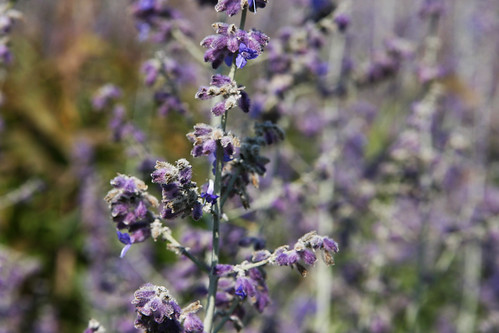 |
| Russian Sage, Filigran another nice color spot that grows large enough suitable for a background plant in a bed. |
 |
| Batchelor's button or cornflower, can be a weed but with that said you may not want to discourage it as much as other weeds as it does offer nice color. |
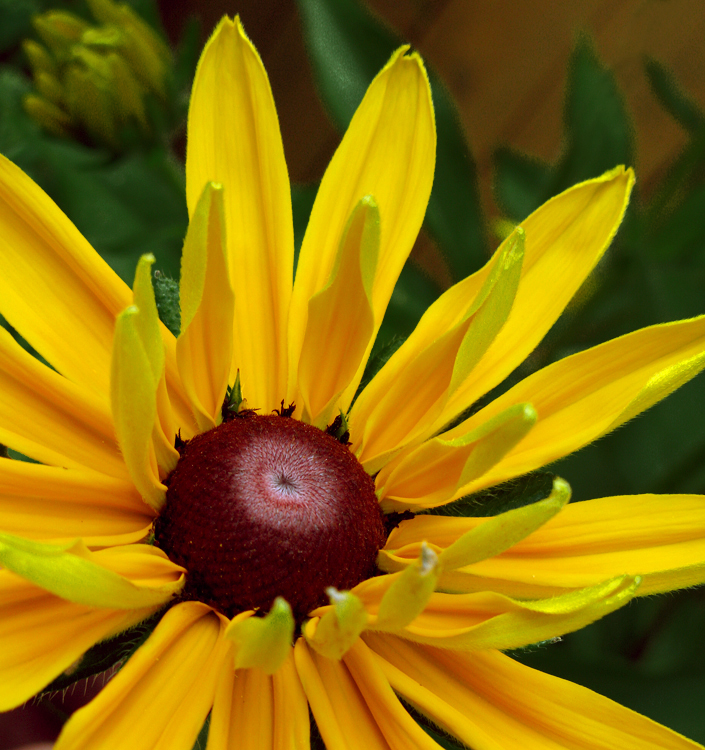 |
| Black eyed susan. Another native wildflower that can be encouraged. |
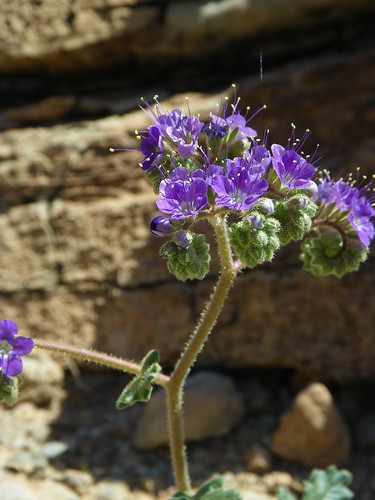 |
| Bluebells scorpion weed, grows in many soil types. Some people may be allergic (rash) to it. |
Subscribe to:
Posts (Atom)